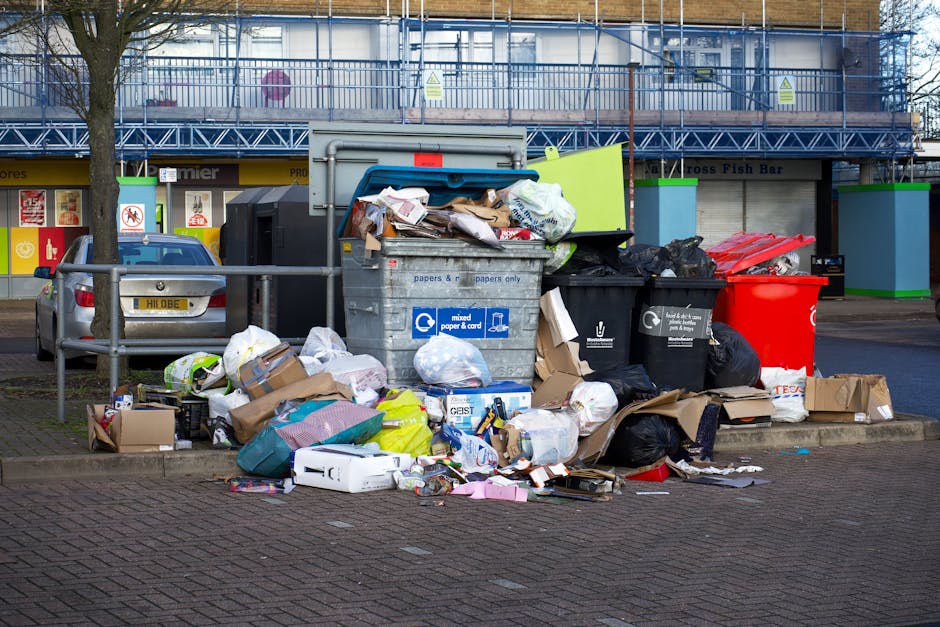
Hounslow council rules for waste disposal after deep cleaning: a practical local guide
If you have just finished a deep clean, the room can look brilliant-and then the awkward bit starts. What do you do with the bags of grime, broken packaging, old cloths, emptied chemical bottles, and the random pile of stuff that somehow grew in the corner? Understanding Hounslow council rules for waste disposal after deep cleaning matters because the wrong disposal method can create mess, smells, safety risks, and avoidable stress. It can also leave you unsure whether something should go in the refuse bin, recycling, or a separate collection route. This guide breaks it down in plain English, with practical steps you can actually use.
You will also find a simple checklist, a comparison table, and a realistic example to help you decide what to do with different waste streams after domestic, office, or end-of-tenancy deep cleaning. No fluff. Just the useful part.
Table of Contents
- Why Hounslow council rules for waste disposal after deep cleaning Matters
- How Hounslow council rules for waste disposal after deep cleaning Works
- Key Benefits and Practical Advantages
- Who This Is For and When It Makes Sense
- Step-by-Step Guidance
- Expert Tips for Better Results
- Common Mistakes to Avoid
- Tools, Resources and Recommendations
- Law, Compliance, Standards, or Best Practice
- Options, Methods, or Comparison Table
- Case Study or Real-World Example
- Practical Checklist
- Conclusion
- Frequently Asked Questions
Why Hounslow council rules for waste disposal after deep cleaning Matters
Deep cleaning creates a strange mix of waste. Some of it is ordinary household rubbish. Some of it is recyclable. Some of it needs a little more care, especially if it includes cleaning chemicals, sharp items, contaminated cloths, or bulky waste. Hounslow council rules for waste disposal after deep cleaning matter because council collection systems are designed to keep streets clean, protect waste operatives, and reduce contamination in recycling streams.
To be fair, most people are not trying to do the wrong thing. They are simply left with a pile of bits and pieces and a bin lid that will not close. That is exactly where confusion starts. If you toss the wrong thing into the wrong container, a whole bag of recycling can become reject waste. If you leave items out in the wrong way, they may not be collected at all. Small mistake, big annoyance.
The other reason this topic matters is hygiene. After a deep clean, waste can still carry dust, grease, mould residue, pet hair, or sanitising product traces. If the disposal method is sloppy, you can undo part of the cleaning work in a matter of minutes. That is especially true in kitchens, bathrooms, and rental properties where turnaround is tight.
Expert summary: the safest approach is to sort deep-clean waste by type before disposal, keep anything hazardous or liquid separate, and follow the council's household waste and recycling guidance rather than guessing.
How Hounslow council rules for waste disposal after deep cleaning Works
At a practical level, the process is about separating waste into sensible categories, then using the correct disposal route for each one. Hounslow, like other London councils, expects residents to use normal household waste and recycling systems properly, and to avoid putting contaminated or unsuitable material into recycling bags or bins.
Here is the basic pattern after a deep clean:
- General waste: dust bags, heavily soiled paper towels, disposable cloths that are not recyclable, broken non-sharp household items, and mixed residue that cannot be separated cleanly.
- Recycling: clean cardboard, rinsed plastic bottles, clean cans, and other accepted recycling items that are not contaminated by grease or chemical residue.
- Glass and sharps: broken glass, blades, razor heads, or anything sharp should be wrapped safely before disposal. Handle with care. No heroics required.
- Hazardous or special items: leftover chemicals, paint, solvents, or anything labelled as hazardous should not be poured down drains or mixed into normal waste unless the product instructions say otherwise.
- Bulky waste: old mops, vacuum cleaners, broken shelving, mattresses, or furniture need a separate bulky waste approach rather than ordinary bagged rubbish.
In many homes, the waste after deep cleaning is not "one thing". It is a mixture. A kitchen clean may generate food residue, packaging, grease cloths, a dead bin liner, and a couple of bottles from cleaning products. An office clean might produce paper waste, old wipes, packaging, and some shredded documents. That is why the disposal plan has to be a bit more thoughtful than "just bin it all".
If you are planning a full property refresh, it can help to think about the whole cleaning workflow in advance. For example, our deep cleaning service is often best paired with a clear waste-sorting plan, while broader property work may also involve house clearance where the waste volume is much higher than a normal clean.
Key Benefits and Practical Advantages
Following the council-friendly approach to waste disposal is not just about staying on the right side of local rules. It genuinely makes life easier.
- Cleaner final result: the property feels actually finished, not half-done with rubbish bags lingering by the door.
- Fewer collection problems: bins are more likely to be accepted when waste is sorted correctly and nothing unsuitable is mixed in.
- Better recycling outcomes: clean, dry recyclables stay recyclable instead of being rejected due to contamination.
- Lower health and safety risk: you reduce the chance of cuts, spills, odours, or pest attraction.
- Smoother move-out or handover: especially useful for landlords, tenants, and office managers working to a deadline.
- Less wasted time: once you know what belongs where, there is less faffing about with extra bags and re-sorting.
There is also a subtle but important benefit: good waste handling protects the cleaning result itself. A fresh floor or sanitised bathroom can quickly feel untidy if debris is left around the edges or in a hallway corner. The smell of damp cloths in a warm kitchen, for instance, is not a detail you want to discover later in the day.
If sustainability matters to you, it is worth pairing deep cleaning with a more thoughtful disposal mindset. Our recycling and sustainability approach is built around that idea: reduce waste where you can, separate what can be recovered, and keep the remainder as controlled as possible.
Who This Is For and When It Makes Sense
This guidance is useful for a wide mix of people. If you are cleaning a studio flat, a family home, a rental property, or an office, the waste pile after the job is often more complicated than expected. A single deep clean can create different waste streams depending on the room and the level of clutter.
It makes particular sense for:
- Tenants preparing a property for inventory or checkout.
- Landlords and letting agents dealing with last-minute turns between occupiers.
- Homeowners doing a seasonal reset or post-renovation tidy-up.
- Office managers handling paper waste, packaging, and cleaning residue after a scheduled clean.
- Families clearing out bathrooms, kitchens, or storage rooms where clutter and cleaning waste overlap.
It is also relevant if you are using a one-off service rather than a routine clean. A one-off cleaning visit often creates more waste than a weekly maintenance clean simply because there is more to remove in the first place. And if the job involves carpets, upholstery, or ovens, you can end up with filters, residue, old packaging, and disposable materials that need a proper disposal plan. Nothing glamorous, but very real.
Truth be told, this is the kind of thing people only think about after the bin is already full. Better to think ahead by ten minutes than spend the rest of the afternoon with three overfilled bags and nowhere sensible to put them.
Step-by-Step Guidance
Here is a straightforward way to deal with waste after a deep clean without overcomplicating it.
- Separate waste immediately. Do not let everything build up into one mixed bag. Keep general waste, recyclables, sharp items, and chemicals apart from the start.
- Check what is actually clean enough to recycle. Cardboard or plastic coated in grease, paint, or cleaning residue should usually not go in recycling. If in doubt, treat it as general waste rather than contaminating the recycling stream.
- Wrap sharps safely. Broken glass, needles, blades, and razor heads should be securely wrapped and clearly contained. Use a rigid container if needed.
- Keep liquids out of normal waste bags. Empty bottles if allowed, yes. Loose liquids, no. Spills are unpleasant and can damage bags or create hazards for collection crews.
- Handle chemicals carefully. Read the label. Some products can be disposed of with household waste once fully empty; others need special handling. Do not pour them down sinks unless the product instructions specifically allow it.
- Flatten packaging where appropriate. Clean cardboard and packaging take up less room and make sorting easier.
- Place bin bags neatly for collection. If the council collection system applies in your street, follow the local presentation rules carefully so bags are not torn or left behind.
- Arrange bulky removal if needed. If you have furniture, broken appliances, or a large volume of waste, a separate clearance approach may be better than trying to force it through normal household bins.
For bigger jobs, this is often where a professional cleaning company helps the most, not because the cleaning itself is difficult, but because the waste trail can be annoying and time-sensitive. Services like after builders cleaning are a good example: the dust, plaster debris, packaging, and site scraps need a tidy, controlled exit route or they just keep drifting around the property.
One small but useful habit: keep a "do not recycle" box nearby during the clean. It sounds almost too simple, but it stops mixed material from sneaking into the wrong pile. I've seen that little trick save a lot of head-scratching later on.
Expert Tips for Better Results
These are the small things that make waste handling smoother in real life.
- Use separate liners. Different colours or different bins help you avoid mixed disposal at the end.
- Do not overfill bags. Overstuffed bin bags split easily, which is exactly what you do not want after cleaning a greasy kitchen or a dusty bathroom.
- Let damp cloths dry if safe to do so. Not everything needs to be binned immediately. Some reusable cloths and mop heads can be washed and reused if they are not contaminated beyond repair.
- Label questionable waste. If several people are involved in the clean, write "recycling", "general", or "sharp" on containers. Simple, but effective.
- Keep odour control in mind. Food waste, used vacuum contents, and wet wipes can smell quickly in a warm room, especially in summer. Tie bags early and move them out promptly.
- Plan the exit route. Bags dragged through a freshly cleaned hallway can create more work than the waste itself. Use a clear path and keep floors protected where possible.
If you are cleaning a bathroom, place used razors and broken items into a rigid container before they go out. If you are cleaning a kitchen, dispose of food-contaminated waste quickly rather than letting it sit in an indoor bin all day. Small habits, big difference.
And if you are dealing with furniture, flooring, or fabric that has reached the end of the road, specialist services can help keep the rest of the clean efficient. A proper sofa cleaning, for instance, can reduce the need to replace a piece too early. Same idea with oven cleaning and carpet cleaning: sometimes preservation is better than disposal.
Common Mistakes to Avoid
Most waste-disposal problems after deep cleaning come from a handful of repeat mistakes. They are easy to make. Annoyingly easy, actually.
- Mixing everything into one bag. This is the fastest way to contaminate recyclable material.
- Putting liquid waste in household bins. Leaks create smell, mess, and collection issues.
- Disposing of chemicals casually. Not every product is harmless just because the bottle looks empty.
- Leaving sharps loose. Even a small blade can cause a painful injury for anyone handling the bag.
- Overlooking bulky waste. Large items do not magically become "general waste" just because they are awkward.
- Using recycling as a catch-all. If an item is food-stained, greasy, or contaminated with cleaning residue, it probably does not belong there.
- Waiting too long to deal with waste. The longer waste sits around, the more it smells and the harder it becomes to sort.
A slightly less obvious mistake is assuming all cleaning waste is the same across homes and offices. It is not. Office cleaning can generate shredded paper, packaging, and bin liner waste. Household cleaning may produce food debris, bathroom residue, and fabric waste. Different settings, different decisions.
If your job is part of a regular household routine rather than a big reset, a domestic cleaning service often brings a lighter waste load than a one-off deep reset, but the same sorting logic still applies. Less mess, yes. Zero mess, not quite.
Tools, Resources and Recommendations
You do not need a specialist kit to dispose of waste properly after a deep clean, but a few simple tools help a lot.
- Strong bin bags: use decent-quality bags so wet waste or heavier material does not split in transit.
- Separate containers: one for recyclables, one for general waste, one for sharps, one for items to be checked later.
- Disposable gloves: useful for handling dirty packaging, bin contents, or unknown residue.
- Rigid boxes: handy for broken glass, razors, or items with edges that could pierce plastic bags.
- Labels or marker pen: surprisingly useful when several people are involved.
- Cleaning caddy: keeps your products and cloths together so fewer items become accidental waste.
When a property needs a more intensive reset, it can help to use a broader cleaning plan rather than tackling each room in isolation. That is where house cleaning support or home cleaners can take some pressure off, especially if you are juggling bin day, work, school runs, or a moving deadline. And if you need to compare service options or get clarity on scope, our pricing and quotes page is the sensible place to start.
For readers who like to keep things tidy beyond the clean itself, it is also worth checking our terms and conditions and insurance and safety information so expectations are clear from the outset. A boring five-minute read now can prevent a messy misunderstanding later. That's just life, really.
Law, Compliance, Standards, or Best Practice
Waste disposal in the UK is shaped by general environmental and duty-of-care principles, plus local collection rules. In plain terms, you are expected not to dump waste illegally, not to contaminate recycling, and not to put hazardous or unsafe items into standard collection streams. The exact practical rules can vary depending on the item, the street collection arrangement, and the council service available to your property.
For everyday household waste after deep cleaning, the safest best practice is:
- follow local bin presentation rules carefully;
- keep recyclables clean and uncontaminated;
- separate sharps and broken glass safely;
- do not pour chemicals into drains unless the product instructions allow it;
- use special disposal or bulky removal routes where needed.
If the waste comes from a rented property, shared house, or office, there may be additional practical responsibilities around cleanliness, handover, or access. That is not always "legal drama"; often it is just common sense and good tenancy or premises management. Still, it is wise to be careful.
Where the job overlaps with a more formal clean-down after works, trade waste, plaster dust, and sharp material should be treated with extra caution. Our health and safety policy reflects the general principle that safe handling comes first, especially when waste is heavy, dusty, wet, or contaminated.
Options, Methods, or Comparison Table
Different waste types call for different disposal methods. This quick table may help when you are standing there with a bag in one hand and a confused look on your face in the other.
| Waste after deep cleaning | Best approach | What to avoid |
|---|---|---|
| Dust, dry wipes, general grime | General waste bag | Mixing with recyclables |
| Clean cardboard and packaging | Recycling, if accepted locally | Putting in if greasy or wet |
| Broken glass or blades | Wrapped securely in a rigid container | Loose disposal in thin bags |
| Cleaning chemicals | Follow label instructions; keep separate until empty and safe | Pouring into sinks or mixing products |
| Furniture or large items | Bulky waste or clearance service | Forcing into household bins |
There is no perfect one-size-fits-all method, because a deep clean in a small flat produces a different waste profile from an office refresh or a full end-of-tenancy job. For some properties, a light clean and the normal bins are enough. For others, especially where clutter has been sitting for months, a clearance-style approach may be much more realistic. If that sounds familiar, end of tenancy cleaning and office cleaning often involve more planning around waste than people expect.
Case Study or Real-World Example
A practical example: imagine a two-bedroom flat in Hounslow after a deep kitchen and bathroom clean. The cleaners have removed built-up dust, old food packaging, a stack of empty spray bottles, a broken plastic storage tray, several cloths that are beyond reuse, and one cracked glass jar from a bathroom shelf.
What happens next?
- The clean cardboard from product packaging is flattened and checked for contamination.
- Empty bottles are sorted based on local recycling suitability and cleanliness.
- Soiled wipes and cloths go to general waste.
- The broken glass jar is wrapped and boxed.
- The cracked tray is assessed; if it is clean and accepted locally, it may be recyclable, otherwise it joins general waste.
The result is simple but effective: the flat is not only clean, it is actually ready to live in again. No mystery pile by the back door, no last-minute scramble before collection, no broken glass hidden in a flimsy bin bag. And yes, that matters when a landlord or next occupant is due the following morning.
In a larger property, the same principles apply but the scale changes. That is when using experienced cleaners or a reliable cleaning company can make life much easier, because the team can clean with disposal in mind rather than treating waste as an afterthought. Small difference, big payoff.
Practical Checklist
Use this checklist before you finish the job.
- Have I separated general waste from recycling?
- Are all glass, blades, and sharps safely wrapped?
- Are any chemicals or liquids still sitting in open containers?
- Have I checked whether packaging is clean enough to recycle?
- Do I have any bulky items that need a different disposal route?
- Are bin bags sealed properly and not overfilled?
- Have I kept waste away from freshly cleaned floors and surfaces?
- Do I know which items should wait for a separate collection or clearance?
- Have I avoided mixing contaminated items into recycling?
- Is everything safe to move without risk of tearing or spillage?
If you can tick most of those off, you are in good shape. If not, pause and re-sort before the bags leave the property. It takes a few minutes. It can save a headache for days.
Get a free quote today and see how much you can save.
Conclusion
The main thing to remember is simple: after deep cleaning, waste disposal should be deliberate, sorted, and safe. Hounslow council rules for waste disposal after deep cleaning are not something to overcomplicate, but they do reward a bit of care. Separate waste types, keep recyclables clean, protect sharps, and treat chemicals and bulky items properly.
That approach keeps your property tidy, reduces collection problems, and helps the cleaning work last. It also makes the whole process feel calmer. Which, after a long day of scrubbing, sorting, and sweeping, is no small thing.
If you are preparing a home, rental, or office for the next stage, a little organisation now pays off later. Honestly, that quiet moment when the last bag is out, the bins are sorted, and the place finally looks settled again? That is the good part.
Frequently Asked Questions
What should I do with waste after a deep clean in Hounslow?
Sort it into general waste, recycling, sharps, liquids, and bulky items before disposal. That makes it easier to follow local collection rules and avoid contamination.
Can I put dirty cleaning cloths in recycling?
No, not usually. Once cloths or wipes are heavily soiled, they generally belong in general waste rather than recycling.
Do empty cleaning product bottles go in recycling?
Usually only if they are empty, reasonably clean, and accepted by the local recycling system. If they still contain product residue, keep them separate and follow the label guidance.
What happens if I mix recycling with food or grease after cleaning?
Contamination can cause the recycling to be rejected. It is better to keep questionable items out of recycling than to spoil the whole bag or bin.
How should I dispose of broken glass after deep cleaning?
Wrap it securely and place it in a rigid container before disposal. Do not leave broken glass loose in a thin bin liner.
Are cleaning chemicals treated as hazardous waste?
Some are, some are not. It depends on the product. Check the label and avoid pouring chemicals into drains unless the instructions specifically allow it.
What counts as bulky waste after a deep clean?
Items like old furniture, mattresses, shelving, broken appliances, or large damaged household goods are usually treated as bulky waste rather than normal bin waste.
Is a deep clean waste plan different for homes and offices?
Yes. Homes often generate food residue, bathroom waste, and fabric waste, while offices usually produce paper, packaging, and general bin waste. The basic sorting rules are similar, but the waste mix changes.
Can I leave bin bags out after cleaning if collection is not due yet?
Only if they are stored safely and in line with local presentation rules. Otherwise, keep them contained indoors or in an appropriate external storage area until collection day.
When should I use a clearance service instead of normal bins?
If you have more waste than the household bins can reasonably handle, or you have bulky items, a clearance-style approach is often the sensible option. It saves time and avoids overfilling bins.
Does end-of-tenancy cleaning usually create more waste?
Often yes. End-of-tenancy jobs tend to include forgotten items, packaging, worn-out household materials, and more thorough room-by-room clearing. Our end of tenancy cleaning service is designed with that kind of turnover in mind.
Can professional cleaners help with waste disposal after deep cleaning?
Yes, especially if the job is large or time-sensitive. Experienced teams can help sort waste sensibly and reduce the chance of mistakes. It is one of those boring details that makes a real difference, which is probably why it gets overlooked so often.