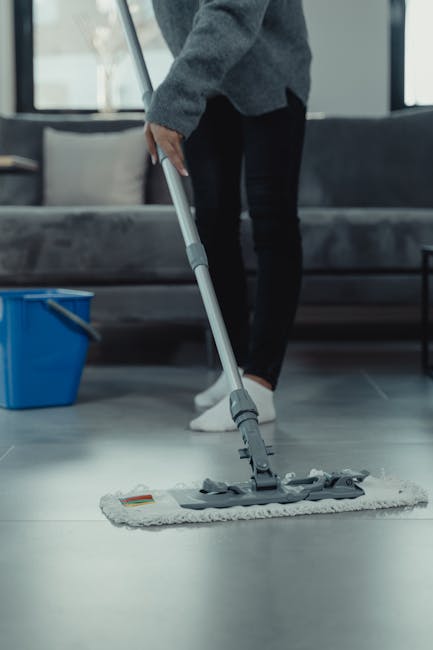
Hounslow council cleaning regulations for rental properties: what landlords and tenants need to know
If you rent out a property in Hounslow, cleaning is not just a nice-to-have. It affects tenant safety, day-to-day habitability, inventory disputes, and how smoothly a tenancy ends. The phrase Hounslow council cleaning regulations for rental properties can sound stricter than it sometimes is, but the practical reality is simple: landlords and tenants both need to keep homes clean, sanitary, and in a condition that does not create avoidable risk or nuisance. In the real world, that means knowing what is required, what is expected, and what is simply best practice. This guide breaks it all down in plain English, with a local focus and no fluff.
Whether you manage a single flat, oversee a portfolio, or you are a tenant trying to avoid deposit trouble, the details matter. A kitchen with grease build-up, a mouldy bathroom, a stained carpet that has never been addressed, or a property left in poor condition can quickly turn into a complaint. And yes, sometimes the issue is less dramatic than that. A dusty extractor fan, a neglected oven, or windows that have not been cleaned properly can still make a big difference to how a rental home is judged.
Below you will find a practical walkthrough of cleaning expectations, compliance basics, common mistakes, and a sensible checklist you can actually use. If you need broader support beyond this topic, it can also help to look at a professional cleaning company that understands rental turnovers and local landlord expectations.
Expert summary: In Hounslow, the key is not hunting for a single magic rule. It is understanding how local housing standards, tenancy agreements, property condition, and cleanliness all overlap. That overlap is where most disputes are won or lost.
Table of Contents
- Why this matters
- How it works in practice
- Key benefits and practical advantages
- Who needs this and when it makes sense
- Step-by-step guidance
- Expert tips for better results
- Common mistakes to avoid
- Tools, resources and recommendations
- Law, compliance, standards, or best practice
- Options, methods, or comparison table
- Case study or real-world example
- Practical checklist
- Conclusion
- Frequently asked questions
Why Hounslow council cleaning regulations for rental properties Matters
Cleaning standards in rental homes matter because they sit at the intersection of health, habitability, and tenancy responsibility. Even when there is no dramatic issue, a poorly maintained property can lead to tension very quickly. Think of the classic end-of-tenancy moment: the agent opens the front door, catches a stale smell, notices heavy limescale in the bathroom, and then starts looking more carefully. Suddenly a minor issue becomes a broader conversation about whether the home was maintained properly.
For landlords, a clean property supports tenant satisfaction and reduces turnover stress. For tenants, good cleaning can protect deposits, avoid accusations of neglect, and make the moving process less bruising than it often is. Let's face it, nobody enjoys arguing over an oven that should have been cleaned three weeks earlier.
The Hounslow angle is important too. Local housing enforcement and environmental health priorities tend to centre on homes being safe, sanitary, and free from conditions that could create health hazards. That does not mean every speck of dust is a compliance problem. It does mean persistent dirt, waste, infestation risk, damp, blocked ventilation, or poor upkeep can create issues that go beyond cosmetics.
There is also a reputation factor. A landlord with a well-kept property usually finds renewals easier. A tenant moving into a clean space starts better, settles faster, and is less likely to complain about avoidable issues. In our experience, that first impression is not a small thing. It sets the tone for the whole tenancy.
How Hounslow council cleaning regulations for rental properties Works
There usually is not one single "cleaning regulation" that covers everything in isolation. Instead, rental cleaning expectations are shaped by a mix of tenancy law, property condition standards, local authority enforcement powers, and the terms written into the tenancy agreement. That is why people often search for one answer and end up with five overlapping ones. A bit messy, but that is how housing works in practice.
Here is the simple version: a rental property should be kept in a condition that is safe, clean enough for occupation, and not causing a nuisance or hygiene problem. If a tenant leaves a property filthy, the issue may affect deposit deductions. If a landlord hands over a property in poor condition, it can create a complaint, delay move-in, or trigger wider housing concerns.
Cleaning expectations also depend on the room and the type of issue. For example:
- Kitchens: grease, food residue, bins, appliances, extractor fans, and sink hygiene matter a lot.
- Bathrooms: limescale, mould, soap scum, toilet hygiene, and ventilation are the big ones.
- Bedrooms and living areas: dust, stains, carpet condition, and general cleanliness usually come into focus.
- Windows and glass: not always a legal flashpoint, but poor condition can still lower the perceived standard of the home.
- Floors and carpets: if these are heavily stained or odorous, they often become part of the dispute.
For more intensive jobs, such as a flat that has been vacant for a while or one that needs a reset after building work, a focused deep cleaning service is often more practical than a standard tidy-up. That is especially true when grease, dust, and hidden grime have built up in corners nobody notices until the inspection.
Some landlords prefer to build cleaning requirements into the tenancy agreement. That is sensible, but the wording should be realistic. A clause that says the property must be returned "professionally clean" is common enough, but it still needs context and evidence. Inventory photos, check-in reports, and check-out reports are what turn vague wording into something workable.
Key Benefits and Practical Advantages
There is a tendency to think of cleaning standards as administrative. They are not. Good cleaning discipline has a direct effect on the way a rental property performs over time.
- Fewer disputes at move-out: Clear cleaning expectations reduce arguments about what counts as acceptable wear and tear versus neglect.
- Better tenant experience: Nobody wants to move into a property that feels damp, dusty, or greasy. Clean homes feel cared for.
- Lower repair risk: Dirt, limescale, and mould can mask developing problems. Regular cleaning helps you spot issues earlier.
- Stronger inventory evidence: Clean, well-documented properties are easier to assess fairly at check-in and check-out.
- Improved letting appeal: A clean kitchen, fresh bathroom, and properly maintained carpet can genuinely influence viewings.
There is also a practical money angle. A small amount spent on the right cleaning at the right time can avoid much larger friction later. That may sound obvious, but it is one of the most overlooked truths in property management. A stubborn oven is easier and cheaper to sort before move-out week than during a rushed handover. Same with carpets. Same with bathrooms, really.
If you need one-off support before a new tenancy, a carefully planned one-off cleaning visit can be a sensible middle ground between doing everything yourself and paying for a full property reset.
Who This Is For and When It Makes Sense
This topic matters to more people than you might think. It is not only for landlords with multiple properties or letting agents dealing with formal inspections.
Landlords
If you own rental property in Hounslow, you need a repeatable cleaning standard. Even if you are hands-on and know the home well, inconsistency creates problems. A flat that was spotless after the last tenant may drift into poor condition before the next one unless there is a plan.
Tenants
If you are moving out, knowing what matters can save time, stress, and money. The main goal is not perfection. It is returning the property in the condition expected by the tenancy agreement, with reasonable cleanliness and no avoidable mess left behind.
Letting agents and property managers
For agents, cleaning is about risk control. A reliable system makes it easier to schedule check-outs, coordinate repairs, and prepare the property for relisting. It also helps when a tenant challenge comes in a bit late, which happens more often than people like to admit.
Households between tenancies
Sometimes a property needs more than a standard domestic clean. If there has been long vacancy, refurbishment dust, or a difficult exit, a more thorough service may be needed. In those cases, a specialist end of tenancy cleaning approach usually makes more sense than trying to patch things up room by room.
Step-by-Step Guidance
Here is a practical way to approach cleaning compliance without overcomplicating it.
- Check the tenancy agreement first. Look for specific cleaning clauses, carpet expectations, and any appliance requirements. Do not guess.
- Walk the property room by room. Use a simple checklist and note anything that could be judged as dirty, damaged, or neglected.
- Prioritise hygiene-critical areas. Kitchens, bathrooms, bins, and food-contact surfaces should come first. Always.
- Deal with visible stains and odours. These are the details that tend to catch attention at inspections.
- Clean high-touch points. Handles, switches, taps, and appliance controls are small but noticeable.
- Address floors and soft furnishings. Carpets, rugs, sofas, and upholstery often hold the real story of a tenancy.
- Take time-stamped photos. Good evidence helps if anyone questions the condition later.
- Schedule a final review. A second pass the day before handover is worth it. Things always seem to reappear after the first clean. Always.
Where carpets or upholstery are heavily used, it can help to bring in specialists rather than hoping a quick vacuum will do the job. A proper carpet cleaning service can lift ingrained dirt that ordinary domestic cleaning simply will not touch. Likewise, if a sofa has absorbed smells over time, sofa cleaning can make the whole room feel fresher.
One small but useful tip: do not leave fragrance until the end as a cover-up for poor cleaning. Fresh scent is fine. Masking is not cleaning. You can usually tell the difference in the first ten seconds.
Expert Tips for Better Results
After enough move-ins and move-outs, a few patterns become very clear. The properties that go smoothly are not always the newest or the fanciest. They are the ones where someone took the time to do the boring bits properly.
- Work from top to bottom. Dust falls. Clean ceilings, shelves, and light fittings before floors.
- Use a damp method in bathrooms. Dry wiping alone often spreads limescale around instead of removing it.
- Don't ignore kitchen appliances. Ovens and hobs are often the biggest source of complaints. For persistent grease, a dedicated oven cleaning service is often worth it.
- Ventilate during and after cleaning. Moisture trapped in bathrooms or kitchens can worsen odours and mould risk.
- Focus on edges and hidden spots. Skirting boards, behind radiators, under appliances, and inside cupboards are the places people miss.
- Use the same standard every time. Consistency beats improvisation. It just does.
Soft furnishings and floor finishes deserve extra attention because they influence how "clean" a property feels even when surfaces are tidy. If the flooring is hard-wearing but grubby, hard floor cleaning can restore the space faster than a routine mop. For mats, runners, or smaller decorative pieces, rug cleaning is often overlooked, but it can remove a surprising amount of trapped dirt.
And if you are dealing with light building dust after repair work, an after builders cleaning service is usually the right tool. Builders dust settles everywhere, including places that look clean until the afternoon light hits the surface and shows every speck.
Common Mistakes to Avoid
Most cleaning disputes are not caused by one huge failure. They come from a handful of repeated mistakes that seem minor at the time.
- Assuming "clean enough" is the same for everyone. It rarely is. Set the standard in writing.
- Leaving the kitchen until last. Grease, crumbs, and odours take longer to fix than people expect.
- Forgetting interior windows and frames. These make a room feel dusty even after the main surfaces are done.
- Ignoring carpets that look only "a bit tired." That is often the stage where a deeper clean prevents a bigger issue.
- Relying on a quick vacuum. Helpful, yes. Sufficient for a full move-out clean? Usually no.
- Skipping documentation. If there is no photo record, disputes become much harder to settle fairly.
- Trying to hide stains instead of treating them. A fresh smell with a visible stain is not a win.
Another common one is poor timing. People book cleaning too late, then realise the oven is not done, the windows streak, and the bathroom grout still needs attention. The day becomes a scramble. A proper timeline avoids that whole mess.
Tools, Resources and Recommendations
You do not need a warehouse of gear to keep a rental property in good condition, but the right tools save time and improve consistency.
- Microfibre cloths: Better for dust and polish than old rags that just move dirt around.
- Non-abrasive bathroom cleaners: Useful for tiles, taps, and limescale-prone surfaces.
- Vacuum with attachments: Ideal for skirting boards, corners, stairs, and upholstery seams.
- Oven degreaser or specialist service: Best used carefully; in many cases, professional help is faster and safer.
- Steam or extraction cleaning: Can be useful for textiles when suitable for the material.
- Photo checklist on a phone: Simple, but very effective for handovers.
For properties that need recurring support rather than a one-off intervention, many landlords prefer a dependable home cleaners arrangement or a local cleaners team that can follow a standard checklist. That way, the work does not depend on whoever happens to be available on the day.
If a property is in a higher-traffic condition, or you are dealing with frequent guest turnover, a reliable domestic cleaning routine can keep the property from slipping into heavier remediation territory. To be fair, most problems are easier to prevent than fix.
Law, Compliance, Standards, or Best Practice
This is where a careful approach matters. It would be misleading to suggest that every cleaning issue in a rental home is a direct council enforcement matter. In reality, the question is usually about whether the property is fit for occupation, kept reasonably clean, and maintained in line with tenancy obligations and general housing standards.
For landlords, the practical compliance focus is usually on:
- keeping the property in a safe and sanitary condition
- addressing damp, mould, waste, pest risk, and hygiene issues promptly
- ensuring communal and internal areas do not create nuisance or health concerns
- using written evidence such as inventories, inspection records, and photos
For tenants, the focus is usually on returning the property in the condition expected by the agreement, allowing for fair wear and tear. Normal living marks are not the same as neglect. That distinction matters more than people think.
If the property contains carpets, curtains, upholstery, or specialist flooring, standard domestic cleaning may not be enough to meet the practical standard expected at the end of a tenancy. In those cases, using a more targeted service such as upholstery cleaning or window cleaning can help bring the whole property up to the same level rather than leaving one obvious weak spot.
Good best practice is simple: keep things documented, keep expectations clear, and act early when a problem appears. That is true whether you are handling a small flat or a larger rental property with several moving parts.
Options, Methods, or Comparison Table
Different properties need different cleaning approaches. Here is a straightforward comparison to help you choose the right route.
| Option | Best for | Strengths | Limitations |
|---|---|---|---|
| Routine domestic clean | Occupied rentals kept in regular use | Fast, affordable, maintains baseline hygiene | May not handle heavy build-up or move-out residue |
| One-off deep clean | Properties that have drifted from standard upkeep | More thorough, useful before inspections or new lets | Takes longer and usually costs more than a simple tidy |
| End-of-tenancy clean | Vacating tenants or relisting properties | Targets common deposit dispute areas like kitchens and bathrooms | May need add-ons for carpets, ovens, or upholstery |
| Specialist room-by-room services | Problem areas such as ovens, carpets, floors, or windows | More effective on stubborn issues | Not a full-property solution on its own |
Truth be told, most rental properties do best with a mixed approach. A general clean plus targeted treatment for the worst areas usually gives the most reliable result. If the kitchen is the main problem, go there first. If the carpet has taken the brunt of the tenancy, do not pretend a surface clean will solve it.
Case Study or Real-World Example
Here is a realistic example from the kind of rental turnover that happens all the time in Hounslow.
A two-bedroom flat was due to be re-let after a long tenancy. On first look, it did not seem disastrous. The surfaces were mostly clear, and the tenant had vacuumed. But a closer inspection told a different story: grease on the hob, light mould in the bathroom sealant, marks on the bedroom walls, a stale smell from the carpet, and fingerprints on the windows. Nothing dramatic. Yet together, it made the flat feel neglected.
The landlord could have tried to patch it with a few wipes and a quick air freshener. Instead, they used a structured approach: kitchen first, bathroom second, then floors, windows, and soft furnishings. The oven needed separate attention, the carpet needed a deeper treatment, and the hallway floor needed more than a basic mop. It took a day, not an hour.
What changed? The flat looked cared for again. Viewings felt easier. The tenant who had moved out also had a clearer discussion about what was fair and what was not, because there was actual evidence rather than a vague memory of "it was pretty clean, I think."
That kind of outcome is ordinary, not exceptional. The lesson is simple: when you treat cleaning as part of property management rather than a last-minute chore, the whole process becomes smoother. Less drama, fewer surprises.
Practical Checklist
Use this before a handover, inspection, or new tenancy start.
- Check the tenancy agreement for cleaning clauses
- Inspect kitchen, bathroom, and utility areas first
- Remove all rubbish and unwanted items
- Clean inside and outside of cupboards where needed
- Degrease hob, extractor hood, and splashback
- Clean oven thoroughly or book specialist help
- Descale taps, shower screens, and tiles
- Wipe skirting boards, switches, and handles
- Vacuum and mop all floors properly
- Treat carpet stains or arrange carpet cleaning
- Clean windows, tracks, and visible frames
- Check for odours, moisture, and mould risk
- Take photos of finished rooms for records
- Do one final walk-through before keys are handed over
If any of those jobs feel awkward, time-consuming, or frankly annoying, that is normal. No one enjoys crawling around an oven door seal at 7pm. A structured clean, or help from a professional house cleaning team, can save a lot of hassle.
Get a free quote today and see how much you can save.
Conclusion
Hounslow council cleaning regulations for rental properties are best understood as a practical standard, not a single dramatic rulebook. The real goal is straightforward: keep rental homes clean, safe, and ready for the people who live in them. When landlords set clear expectations and tenants follow a sensible cleaning routine, most of the usual friction simply never appears.
The homes that stay easiest to manage are the ones where cleaning is treated as part of upkeep, not just an end-of-tenancy panic. That means a clean kitchen, a proper bathroom finish, decent floors, and evidence of care. Small things, yes. But they add up.
If you are preparing a property for the next tenancy, or trying to avoid a dispute at the end of one, a calm, methodical approach is usually the best one. Nothing fancy. Just thorough, documented, and done in time. That really is the heart of it.
And if you are feeling behind today, don't worry too much. Most rental cleaning problems are fixable with the right plan and a bit of steady effort. One room at a time still works.
Frequently Asked Questions
What are Hounslow council cleaning regulations for rental properties?
They are the local cleaning and housing expectations that affect rental properties in Hounslow. In practice, this means the home should be kept clean, sanitary, safe, and suitable for occupation, with no major hygiene issues or avoidable mess.
Do tenants have to professional clean a rental property in Hounslow?
Not always. It depends on the tenancy agreement and the condition of the property. Many tenants can meet the requirement with a thorough DIY clean, but heavy build-up, stained carpets, or badly neglected appliances may need professional help.
Can a landlord deduct from a deposit for cleaning?
Potentially, yes, if the property is returned in poorer condition than when the tenancy began, allowing for fair wear and tear. Good inventory photos and check-in records are important when deciding what is reasonable.
Is an end-of-tenancy clean the same as a regular domestic clean?
No. An end-of-tenancy clean is usually more detailed. It focuses on areas that often cause disputes, such as ovens, bathrooms, skirting boards, carpets, and the inside of cupboards.
What parts of a rental property matter most during cleaning checks?
Kitchens and bathrooms usually draw the most attention because they show hygiene issues fastest. Carpets, floors, windows, and appliances also matter because they shape the overall impression of the home.
Do I need to clean carpets before moving out?
If the carpets are stained, odorous, or noticeably dirty, yes, that is usually a smart move. Even when a tenancy agreement is not explicit, carpet condition often becomes part of the overall handover discussion.
What if there is mould or damp in the property?
Mould and damp should not be treated as a simple cleaning issue if they are ongoing or caused by a building problem. Clean what you can safely, but the underlying cause may need separate attention from the landlord or managing agent.
Are windows included in rental cleaning expectations?
They often are, especially at the end of a tenancy or during a full reset. Streaky glass or dirty frames can make an otherwise clean property feel unfinished.
How far in advance should cleaning be booked before check-out?
Ideally, book early enough to allow for repairs, drying time, and a final inspection. Leaving it until the last day is where things become stressful, and honestly, a bit silly.
What is the best order to clean a rental property?
Start high and work down: dust ceilings and shelves, then surfaces, then bathrooms and kitchens, then floors. Finish with photos and a final walk-through so you can catch anything missed.
When should a landlord use professional cleaning services?
Professional help makes sense when the property has built-up grime, a difficult turnover, stubborn stains, strong odours, or a short gap between tenancies. It is also useful when you want consistent standards across multiple properties.
How do I avoid a cleaning dispute at the end of a tenancy?
Set expectations early, keep good photos, use a clear inventory, and clean to a consistent standard. If needed, bring in a specialist service for hard-to-fix areas like ovens, carpets, or upholstery. A little preparation goes a long way.