Access and parking issues for cleaners in Hounslow estates
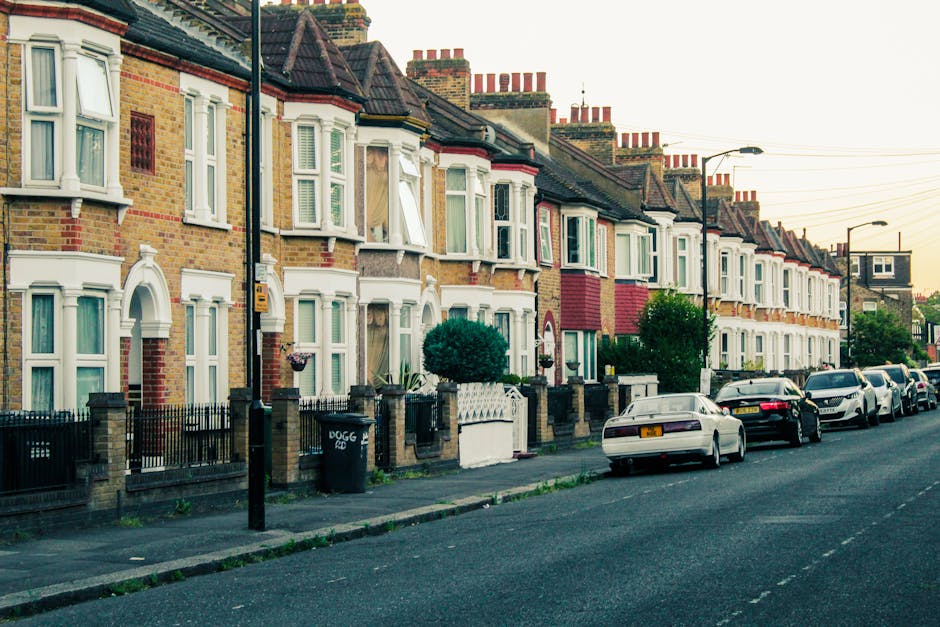
If you manage a flat, estate, rental property, or office in Hounslow, access can make or break a cleaning visit. Access and parking issues for cleaners in Hounslow estates are one of those everyday problems that look small on paper, then suddenly chew up time, create stress, and make a simple clean feel surprisingly complicated. A cleaner may arrive on time, only to find a locked gate, no buzzer code, restricted bays, or a parking bay that was promised but never actually available. That is the reality in a lot of London estates.
This guide explains what the issue really involves, why it matters, and how to prevent delays before they start. You will also find a practical step-by-step approach, a comparison table, a realistic example, and a checklist you can use straight away. If you want smoother visits, fewer awkward phone calls, and a better result on the day, you are in the right place.
Why Access and parking issues for cleaners in Hounslow estates Matters
On an estate, a cleaner is rarely dealing with a single easy front door and a space right outside. More often, there are controlled entrances, shared corridors, lifts, resident-only parking, time-limited loading, or a permit system that only makes sense to the people who use it every day. That can be fine when everyone has the right information. Trouble starts when one detail is missing.
Why does it matter so much? Because access problems affect much more than arrival time. They can reduce the amount of cleaning that actually gets done, increase labour costs, create tension with residents, and lead to missed slots for time-sensitive work like end of tenancy cleaning or post-tenant turnaround jobs. If a cleaner spends fifteen minutes circling for parking and another ten waiting for a gate code, that is not a small hiccup. It changes the whole job.
There is also a trust side to this. Residents and property managers notice whether a cleaning visit feels organised. A tidy handover, a known parking plan, and clear access instructions make the service look professional before the mop even comes out. Let's face it, people judge the first five minutes. Sometimes fairly, sometimes not.
For cleaning companies, the risk is operational as well as reputational. A missed parking arrangement can mean the team carries equipment farther than expected, starts late, or has to shorten the visit. That matters even more for larger jobs like deep cleaning or specialist services such as carpet cleaning, where heavy machines, hoses, and water tanks are involved.
Practical takeaway: access and parking are not admin details. They are part of the cleaning job itself, and if you plan them properly, everything else runs more smoothly.
How Access and parking issues for cleaners in Hounslow estates Works
In practice, the process is straightforward, but only if each step is clear.
First, the client or property manager confirms how the cleaner gets onto the estate. That may mean a gate code, fob entry, concierge check-in, a resident escort, or a phone call on arrival. Next comes parking. Is there a visitor bay? A loading space? A time-restricted stop outside the block? Or is the cleaner expected to use public parking nearby and carry equipment in?
That final question matters more than people think. A cleaner arriving for one-off cleaning may need little more than a caddy and a vacuum. A team handling office cleaning in a mixed-use estate could need more gear, more time, and easier unloading. The job shape changes the access plan.
Estate rules also vary. Some estates allow short loading stops but no long-term parking. Others require pre-booked bays. Some have height barriers or narrow turning circles that make larger vans awkward. A van that fits on one road can become a headache on another. It happens all the time, and usually at the worst possible moment.
A good service provider will ask about these details before the day, not after. If the work is domestic, a cleaner may simply need to enter via a communal door and avoid disturbing residents. For more involved visits like house cleaning, domestic cleaning, or sofa cleaning, the cleaner may also need somewhere safe to stage equipment without blocking hallways.
The smoothest setups tend to look boring, and that is a good sign. Clear instructions, correct codes, a parking note, and a named contact. Nothing fancy. Just no surprises.
Key Benefits and Practical Advantages
When access and parking are sorted properly, the benefits are immediate and very real.
- Faster starts: the cleaner begins working sooner, which usually means more time on the actual task.
- Better value: less time wasted on finding entry points or parking means fewer avoidable delays.
- Less disruption: residents, neighbours, and concierge teams are bothered less when arrivals are planned.
- Safer handling: equipment is moved with less strain and less risk of awkward carrying or rushing.
- More consistent results: jobs like window cleaning or oven cleaning are easier to complete thoroughly when setup time is not eaten away.
There is a hidden benefit too: calmer work. A cleaner who does not have to improvise on arrival can focus properly. That sounds obvious, but you can see the difference. Fewer hurried decisions. Better attention to corners, edges, and details. A lot of people underestimate how much logistics affect the quality of the finish.
For landlords and managing agents, a simple access plan can also support smoother tenancy transitions. If a team can enter, unload, and work without back-and-forth calls, the property is ready sooner. That is especially useful where multiple trades are coming in, or where a clean has to follow works such as after builders cleaning.
Who This Is For and When It Makes Sense
This topic matters to a lot of people, not just cleaning companies. In Hounslow estates, the decision-makers are often split across residents, landlords, agents, concierge teams, and block managers. Everyone has a piece of the puzzle, which is exactly why things can go off-track if nobody owns the whole arrangement.
You will benefit from a clear access and parking plan if you are:
- a resident booking a cleaner for a flat on a managed estate
- a landlord arranging recurring or end-of-tenancy visits
- a letting agent coordinating same-day turnover work
- a block manager responsible for visitor parking and access rules
- a cleaning company planning routes and crew schedules
- an office manager arranging cleaning in a mixed residential-commercial site
It makes sense whenever the estate has restricted entry, limited parking, shared entrances, or a large amount of foot traffic. That includes the quieter estates too, not just the busy ones. In fact, quiet estates can be trickier because residents are more sensitive to vans blocking bays or cleaners waiting around with equipment.
If the property needs specialist care, the access question becomes even more important. Heavy items for rug cleaning, portable machines for upholstery cleaning, or water-based tools for hard floor cleaning all benefit from closer loading access. No mystery there.
Step-by-Step Guidance
If you want to avoid last-minute chaos, use a simple system. It does not need to be complicated. It just needs to be consistent.
- Confirm the exact address and entrance. On estates, the front-facing road name is not always enough. Ask which block, which door, and which side entrance is used.
- Ask how entry works. Gate code, buzzer, concierge, key safe, resident escort, or fob. Make the method explicit.
- Check parking rules before booking. Do not assume visitor bays are free. Find out whether the cleaner can stop briefly to unload, and where.
- Share time windows clearly. Some estates have quiet periods, school run pressure, or restricted loading times. Build around that.
- Tell the cleaner what equipment is being brought. A small domestic job is one thing. A visit involving machines, ladders, or several bags is another.
- Nominate a contact person. If the gate code fails or the bay is occupied, someone needs to answer quickly.
- Leave written instructions. Short, plain-English notes work best. No essay required.
- Review after the first visit. If the cleaner had to walk too far, queue at a barrier, or wait outside, adjust the plan next time.
A tiny real-world detail: the best instructions often fit in a few lines. "Use blue gate, code 4821, park in visitor bay by the bin store, call Sarah on arrival." That sort of thing. Plain and useful beats polished and vague every time.
Expert Tips for Better Results
In our experience, the best access plans solve three problems at once: entry, parking, and timing. If one of those is missing, the rest usually wobble.
Tip 1: Treat parking as part of the quote. If a cleaner has to carry equipment a long way or pay for parking, the job takes longer and may need a different price structure. If you want clarity on planning and cost expectations, it helps to review pricing and quotes early rather than after the first visit.
Tip 2: Keep the cleaner's route simple. The less a cleaner has to guess, the better. A direct route from parking to the property can save time and reduce the chance of damage from dragging equipment across communal spaces.
Tip 3: Think about return journeys too. It is easy to focus on arrival and forget departure. If bins, pedestrians, or residents often block the exit, plan for that as well.
Tip 4: Match the access plan to the service type. A regular home cleaners visit is not the same as a one-off spring clean or a move-out job. A recurring schedule can be more flexible; a same-day turnaround really cannot.
Tip 5: Use the building's own systems where possible. If the estate offers visitor logging or permit booking, use it. It keeps everything tidy and makes disputes less likely.
And one more, slightly unglamorous but important: keep a note of what worked. The cleaner who had the right lift access, the estate that needed a better bay description, the block where the concierge was helpful at 8 a.m. These small notes save you time next month. Maybe even next week.
Common Mistakes to Avoid
A lot of access trouble comes from a handful of predictable mistakes. Nothing dramatic. Just the usual human stuff.
- Assuming parking is "probably fine". Usually not a great strategy in Hounslow estates.
- Giving only the postcode. That often leaves the cleaner at the wrong entrance.
- Forgetting about vehicle size. A van and a small car do not face the same restrictions.
- Leaving gate codes in a message thread no one checks. If the cleaner cannot find the code quickly, everyone loses time.
- Not accounting for loading time. Parking across the road is not the same as parking by the entrance.
- Ignoring resident sensitivities. Noise, blocked footpaths, and repeated calls at the door can annoy people fast.
- Changing the plan at the last minute. If the cleaner is already en route, last-minute changes usually cost time.
There is also a quieter mistake: overcomplicating the instructions. If nobody can read them in ten seconds, they are too long. A cleaner does not need a mini dissertation. They need the practical bits. That is all.
Tools, Resources and Recommendations
You do not need fancy systems to manage estate access well, but a few simple tools help enormously.
- Digital notes or a shared booking form: useful for holding codes, bay numbers, and gate details in one place.
- Photo notes: a quick picture of the correct entrance or parking sign can save confusion.
- Estate access checklist: a short internal list for reception, fob, lift, parking, and contact details.
- Service-specific instructions: especially handy for carpet cleaner visits, where equipment access matters more.
- Simple arrival texts: a short message on the day can confirm timing and remove guesswork.
For readers comparing service providers, it is sensible to look at how clearly a company talks about operational basics. A professional cleaning company should be able to explain what it needs from you and what it will bring itself. If that discussion feels vague, that is worth noticing.
It also helps to understand the company's policies on service expectations, safety, and payment handling. Pages such as insurance and safety, health and safety policy, and payment and security give a clearer picture of how a provider works. The same goes for terms and conditions. Not glamorous reading, admittedly, but useful.
Law, Compliance, Standards, or Best Practice
Access and parking on estates sits in a practical area rather than a highly regulated one, but several UK best-practice principles still apply. Reasonable care, clear communication, and respect for shared spaces go a long way.
From a building-management perspective, estate rules should be communicated clearly to residents and contractors. From a cleaning-business perspective, it is sensible to avoid unsafe loading, illegal stopping, or obstructing emergency routes. If there is any doubt, the safest option is usually to park legally a little further away and carry out the job properly rather than rush or improvise.
Health and safety matters too. Cleaners who are carrying tools, liquids, or machines across uneven ground or through narrow corridors need enough time and space to do it safely. That is one reason why good access planning is part of responsible service delivery, not just convenience. If you want a company to operate carefully, look for the sort of mindset reflected in an accessibility statement and other policy pages, because they often show how seriously a business treats practical access and user needs.
Best practice also means protecting people's privacy. Buzzing in, waiting in communal areas, and discussing access details should be handled discreetly. Simple, respectful behaviour avoids awkwardness. You would be surprised how far that goes.
Options, Methods, or Comparison Table
Different estates handle access in different ways. There is no single perfect method, but there are clear trade-offs.
| Access method | Pros | Cons | Best suited to |
|---|---|---|---|
| Visitor bay with short stay | Easy unloading, simple for small teams | Often time-limited or shared | Routine domestic visits, smaller equipment |
| Pre-booked estate permit | Clear rule set, good for recurring work | Needs advance admin and approval | Regular cleans, larger jobs, repeat bookings |
| Resident escort or concierge entry | Controlled, secure, reliable when staffed | Can slow arrival if staff are busy | Managed blocks, higher-security estates |
| Nearby public parking and walk-in access | Flexible if the estate is tight | More carrying, more time, more effort | Light equipment jobs, smaller properties |
| Loading-only stop | Good for fast drop-off and pick-up | Not suitable for long setups | Quick cleans, one-off items, easy access jobs |
If you are unsure which option is best, think about the equipment, the length of the job, and how many people will be on site. A small residential clean may be fine with visitor parking. A bigger service like after builders cleaning usually needs a much better setup. There is no getting around that.
Case Study or Real-World Example
Here is a realistic scenario. A landlord has a two-bedroom flat on a Hounslow estate and needs a clean between tenants. The flat is on the second floor, the lift is shared, and the estate uses resident-only bays with limited visitor spaces. The first time the job is booked, the cleaner arrives with a vacuum, cloths, and a steam machine, but there is no parking note and the entrance code is buried in an old email.
The cleaner spends ten minutes trying the wrong gate, then another few minutes waiting for a resident to let them in. By the time they reach the flat, everyone is already slightly irritated. Nothing disastrous, but the job starts badly.
The next time, the landlord sends a short access note: correct block name, gate code, where to park for twenty minutes while unloading, and a contact number. The cleaner arrives, unloads quickly, and gets started without delay. The difference is almost comical. Same building. Same cleaner. Better information.
That is what good access planning does. It does not make the work magical. It just removes friction.
Practical Checklist
Use this checklist before any clean on a Hounslow estate.
- Confirm the full block name and entrance
- Share the correct access code, fob process, or contact person
- Check whether the cleaner can use visitor parking or loading bays
- Note any height limits, permit rules, or restricted times
- Tell the cleaner what equipment is being brought
- Make sure the arrival window is realistic
- Give a backup phone number in case entry fails
- Let residents know if there may be short-term loading or noise
- Review the arrangement after the first visit
- Keep the instructions somewhere easy to find next time
If you want a cleaner to arrive and get straight to work, this checklist is the simplest way to get there. Nothing fancy, just the things that matter.
Conclusion
Access and parking issues for cleaners in Hounslow estates are not just an inconvenience. They affect timing, cost, safety, service quality, and how professional the whole visit feels. The good news is that most of the problems are preventable with clear instructions, realistic parking plans, and a little bit of forward thinking.
If you are a resident, landlord, or manager, the best thing you can do is remove guesswork before the cleaner arrives. Give the right entrance, the right code, the right parking advice, and a contact who actually answers. That alone solves a surprising amount.
And if you are comparing providers, it is worth choosing a team that communicates clearly, plans sensibly, and understands the realities of estate work in London. The right process makes the job easier for everyone involved. Honestly, it should feel calmer than it often does.
Get a free quote today and see how much you can save.
Good access is one of those quiet details that makes a property feel looked after. Get that right, and everything else tends to fall into place.
Frequently Asked Questions
What are the most common access problems for cleaners in Hounslow estates?
The most common issues are locked gates, missing buzzer codes, unclear flat numbers, resident-only parking, and loading restrictions. Even one missing detail can delay the start of a clean.
Should I arrange parking for a cleaner before they arrive?
Yes, ideally. If the cleaner is bringing equipment or working on a tight schedule, parking should be confirmed in advance. Otherwise, they may waste time searching for a space or unloading from too far away.
Do cleaners usually need visitor parking on estates?
Often, yes. It depends on the job size and the equipment involved. Smaller domestic visits may be fine without it, but larger or specialist jobs are much easier with close parking.
What should I include in access instructions?
Include the exact block or entrance, gate or door codes, parking details, the time window, and a backup contact number. A short set of clear notes works better than a long message.
Can a cleaner work if the estate has no parking spaces?
Yes, but the job may take longer and need more careful planning. If parking is far away, the cleaner may need extra time to carry equipment in and out.
Are access and parking issues more important for deep cleaning jobs?
Definitely. Deep cleans usually involve more equipment, more movement, and a longer on-site time. Poor access can slow everything down and make the visit much less efficient.
How do I avoid delays on the day of the clean?
Share the access details in advance, confirm parking, and provide a contact who will answer quickly. A quick check the day before can prevent most delays.
What if the parking bay I expected is already taken?
That is exactly why a backup plan helps. If you can, note an alternative visitor bay, loading space, or nearby legal parking option before the appointment.
Do cleaners need special instructions for apartment blocks?
Usually yes. Apartment blocks often have lifts, communal corridors, concierge desks, and resident-sensitive areas. A simple set of instructions helps the cleaner move through the building without confusion.
Is it rude to ask a cleaner to park further away and walk in?
Not necessarily, but it should be realistic. If the job is small, that may be fine. If the cleaner is carrying heavy equipment or doing specialist work, closer access is much more reasonable.
Can access problems affect the quality of the cleaning?
Yes. If a cleaner loses time at the start or has to rush because of parking problems, the job can become less thorough. Good access planning supports better results.
Where can I check service details before booking?
It helps to review the company's service pages and policy pages, including about us, cleaners, and the relevant policy information. That gives you a clearer idea of how the service is run and what to expect.